Children and infants are prone to infections like swine flu as their immune system is still developing. Learn about the symptoms and warning signs of swine flu in kids and find tips for preventing it.
Swine Flu is an infection of the respiratory system caused by H1N1 strain of influenza viruses. The name swine flu was coined mainly as this virus was first isolated in pigs. The presentation closely resembled the flu in pigs as well as humans hence the name. This infection affects all age groups; though infants, children and pregnant women are at high risk of contacting the infection.Swine flu is a major epidemic worldwide and continues to be a public alert in most countries including India.
How Does Swine Flu Spread?
Swine flu is a highly contagious pandemic which spreads very quickly and rapidly through droplets from coughing or sneezing of an infected person. Virus can also spread quickly from sharing of objects like clothes, towels, and toothbrush and in close contact with the infected person. Swine flu is not an air borne disease and person gets infected through human contact. Swine flu virus is contagious one day before the onset of symptoms till up to 7 days after getting infected. Infection can be passed on to another person during the course of illness. Children can easily get infected by sharing toys, pencils, shaking hands and playing outdoors.
Why are Infants and Children More at Risk of Swine Flu?
Infants and children especially below 5 years of age are at high risk of getting infected with swine flu due to their poorly developed immune system. Breast fed infants are protected from their maternal antibodies present in their breast milk till 6 months of age. Later on body builds up its own immune system which is fully developed after 5 years of age. This makes them highly susceptible to get affected with such infections easily.
How Do I Know if My Child Has Contacted Swine Flu?
Symptoms of swine flu are very much similar to a common seasonal flu with minimal variations.
Fever – high grade ( more than 100.F )with or without chills
Following are some easy and safe hygienic tips to prevent your child from the deadly virus.
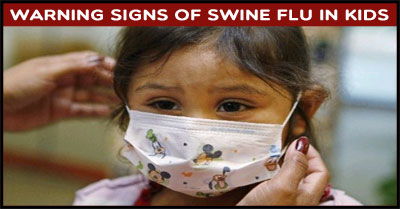
Keep your child’s face covered – use hospital masks if available, else napkins.
Avoid your child’s contact with anyone at risk or who has tested positive with the infection.
Wash your child’s hands and face regularly with antiseptic soap and water, especially before having meals and after coming back home from outside.
Bathe your child at least twice a day with hot water, but make sure that water is not too hot to avoid burning your child’s skin.
Avoid using public toilets and washrooms as much as possible.
Teach your child to cover nose and mouth with a clean napkin while sneezing, coughing, yawning etc.
Teach your child to avoid sharing objects like toys, pencils, toothbrush, and bath towels.
Tell your child not to touch eyes and nose often when out as this can also transmit the infection.
Regular cleaning and dusting of home environment is essential if anyone at home is infected.
Children should avoid school, playing outdoors, sharing toys or visiting friends when ill or during an outbreak if possible.
Do not PANIC or lose your cool in case of epidemic. Stay calm and follow the public health instructions as advised to protect your child from the flu.
Avoid visiting crowded places during the epidemic which can increase your child’s chances of infection. Restrict to indoor stay as much as possible.
Reduce your hospital visits during the epidemic unless it is essential and urgent.
Coming in close proximity to people infected with swine flu can be dangerous as this virus spreads rapidly by human contact.
Do not hesitate or neglect any symptom or illness even if it is mild.
Be aware and vigilant about your child’s health; if you suspect H1N1 symptoms and feel high risk, contact your doctor and seek medical help immediately.
Swine flu is a well manageable disease in your child if detected at the earliest. Primary care is very much similar to that of common flu. Most early cases are mild and recover within a week with appropriate therapeutic measures. Children with chronic conditions like asthma, respiratory illnesses and poor immunity are the ones who are treated aggressively as they are more prone to complications and danger. Being aware about your child’s health and the environment around you is the first step to disease prevention.What are the warning signs of swine flu in kids? How to know if the kid is affected with swine flu? How to prevent swine flu in kids? Discuss here.
Sorry. Due to our site's regulations and policies, your message has not been posted. Our moderating team has been notified about your message. If the message is found to be genuine and still did not get posted, you may not post the message again as it will automatically get posted for you within 24hrs time (excluding weekends).
- The Indiaparenting Team